Bringing Spring to Life: The Art of Easter Lantern Laser Cut 3D Carrots
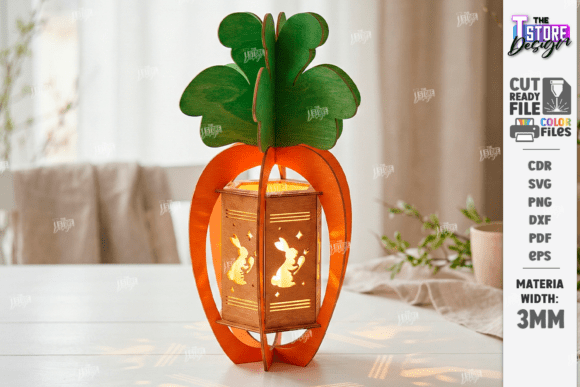
The arrival of spring often signals a shift in how we decorate our homes, moving from the stark minimalism of winter to vibrant, nature-inspired motifs. Among the most enduring symbols of this season are the rabbit and the carrot, representing renewal and growth. In recent years, digital fabrication has transformed these traditional icons into sophisticated decorative pieces. One standout innovation is the Easter Lantern Laser Cut 3D Carrots, a design that merges classic holiday cheer with modern laser cutting technology. These intricate shadow boxes do more than simply sit on a table; they cast dynamic patterns of light and shadow, creating an atmospheric glow that defines the festive spirit.
For hobbyists, professional makers, and small business owners alike, understanding the mechanics and potential of these designs is essential. Whether you are looking to create a unique centerpiece for your own home or produce inventory for a seasonal market, the transition from a digital file to a physical, glowing lantern involves specific technical considerations. This exploration delves into the characteristics, applications, and technical workflows required to bring these Easter Bunny and Carrot Happy Easter Tealight Lanterns to life.
The Aesthetic Appeal of Layered Shadow Boxes
The primary allure of the Easter Lantern Laser Cut 3D Carrots lies in their dimensional quality. Unlike flat decals or single-layer cutouts, these designs utilize multiple layers of material to create depth. When a tealight candle is placed inside, the light filters through the various tiers, casting complex shadows that mimic the texture of fur on a rabbit or the ridges of a carrot. This effect transforms a simple wooden box into a captivating piece of kinetic art, where the flickering flame interacts with the geometry of the cut.
This aesthetic versatility makes the lantern suitable for a wide range of settings. In a domestic context, it serves as a warm, inviting night light for children's rooms or a focal point on a dining table during spring gatherings. For commercial spaces, such as cafes or boutique shops, these lanterns can act as subtle branding elements that signal the season without overwhelming the decor. The interplay of light and wood grain adds a rustic yet refined touch that appeals to consumers seeking handmade, artisanal goods over mass-produced plastic alternatives.
Technical Specifications and File Formats
Creating these lanterns begins with high-quality digital files. The standard package for these projects typically includes a variety of formats to ensure compatibility across different software ecosystems. Users will generally find a zip archive containing SVG, EPS, PNG, PDF, and DXF files. Each format serves a distinct purpose in the workflow:
- SVG (Scalable Vector Graphics): Ideal for web use and some vector editing software, though it can sometimes introduce scaling issues in specific laser control interfaces.
- EPS (Encapsulated PostScript): A robust vector format often preferred by professional designers for its precision in handling complex paths.
- PNG (Portable Network Graphics): Useful for visual previews or engraving raster images, though less common for the actual cutting path.
- PDF (Portable Document Format): Excellent for maintaining layout integrity and is widely supported by many laser machine drivers.
- DXF (Drawing Exchange Format): Often considered the gold standard for laser cutting due to its precise geometric data retention.
A critical consideration for users working with software like Lightburn is the potential for dimension distortion, particularly when importing SVG files. To mitigate this, experts recommend utilizing the DXF file format whenever possible. DXF files tend to preserve the exact dimensions specified in the design, ensuring that the layers fit together perfectly without gaps or misalignments. If a user encounters sizing discrepancies, switching to the DXF version usually resolves the issue immediately, guaranteeing that the final assembly matches the intended 3mm wood thickness specifications.
Understanding the Cutting and Engraving Workflow
Successful production of the Easter Lantern Laser Cut Easter Bunny and Carrot designs relies on correctly interpreting the line colors within the digital files. Most of these templates follow a universal color-coding convention to streamline the setup process:
- Red Lines: These indicate areas that require a full-depth cut. The laser must penetrate the material completely to separate the individual layers.
- Black Lines: These designate areas for engraving. Here, the laser etches details onto the surface of the wood, adding texture and definition to the bunny or carrot features without cutting through.
Before running the job, it is imperative to verify that the cutting machine and the accompanying software are compatible with these color assignments. While most modern controllers recognize red for cutting and black for engraving by default, some legacy systems may require manual adjustment of the power and speed settings for each color layer. Testing on a scrap piece of wood is always advisable to fine-tune these parameters, ensuring clean edges and crisp engravings.
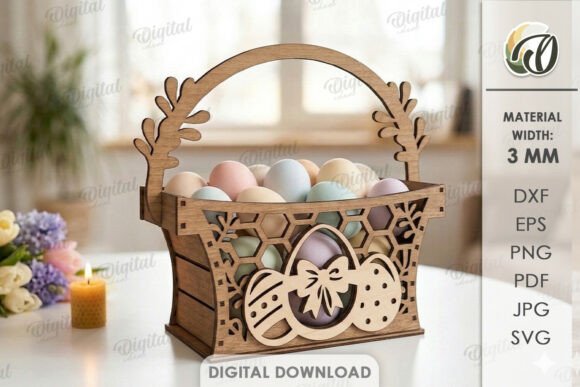
Material selection also plays a pivotal role. These designs are optimized for 3mm wood, which provides enough rigidity to hold the shape while remaining thin enough to allow light to pass through effectively. Birch plywood is a popular choice due to its smooth finish and consistent density, which results in cleaner cuts and less charring. However, other materials like acrylic or basswood can be used if the operator adjusts the laser settings accordingly.
Applications Beyond Home Decor
While the primary use case for these lanterns is seasonal decoration, their utility extends into several other domains. Educators, for instance, can utilize the design files to teach students about geometry, light physics, and digital manufacturing. By assembling the lanterns, students gain hands-on experience with spatial reasoning and the practical application of CAD/CAM principles.
For entrepreneurs and small business owners, the Easter Lantern Laser Cut 3D Carrots represent a viable product line. The low cost of raw materials combined with the high perceived value of handcrafted items allows for healthy profit margins. These lanterns can be sold individually, bundled as party favors, or customized with names and dates for special events. The ability to offer a "digital download" version of the files also opens up a passive income stream, allowing creators to sell the designs themselves to other makers who wish to produce the lanterns locally.
In the realm of event planning, these lanterns serve as excellent table centerpieces. Their compact size ensures they do not obstruct conversation, while their ambient lighting creates a cozy atmosphere. Because they are battery-operated or tealight-based, they eliminate the fire hazards associated with open flames in public venues, making them a safe choice for schools, libraries, and community centers.
Trends in Digital Craftsmanship
The popularity of laser-cut Easter decorations reflects a broader trend toward personalized, sustainable crafting. Consumers are increasingly drawn to products that tell a story and reflect a maker's attention to detail. The shift away from disposable plastic ornaments toward durable, wooden keepsakes aligns with environmental consciousness. Wood is a renewable resource, and when sourced responsibly, these lanterns contribute to a greener holiday tradition.
Furthermore, the accessibility of digital design files has democratized the creation process. No longer do artisans need to spend hours drafting patterns by hand; they can download a professionally engineered file and focus on the creative aspects of finishing and assembly. This efficiency encourages experimentation, leading to new variations of the classic bunny and carrot motif. Makers might experiment with different wood stains, add LED strips instead of candles, or combine the lantern with other seasonal elements to create unique hybrid designs.
Optimizing the User Experience
For those new to laser cutting, the learning curve can seem steep. However, the availability of comprehensive file packages simplifies the entry barrier. The inclusion of multiple file formats ensures that regardless of the software a user prefers, there is a compatible option available. Additionally, clear instructions regarding color coding and material thickness help prevent costly mistakes during the initial production runs.
It is also worth noting the importance of community support in this niche. Many digital marketplaces encourage interaction between buyers and sellers. If a user requires a specific file type not included in the standard download, or if they need a different resolution for the PNG preview, direct communication channels are often available. This level of customer service fosters trust and ensures that every creator, whether a novice or a pro, can successfully realize their project.
As the season progresses, the demand for these Festive Night Light DXF PDF 3mm Wood Laser Ready Digital Download products tends to peak. Planning ahead allows makers to secure materials and test their machines before the rush. By mastering the nuances of the Easter Lantern Laser Cut 3D Carrots designs, creators can produce high-quality items that not only celebrate the joy of spring but also showcase the incredible capabilities of modern digital fabrication tools.
Final Thoughts on Creative Implementation
The journey from a digital file to a glowing, three-dimensional lantern is a testament to the fusion of art and technology. The Easter Lantern Laser Cut Easter Bunny and Carrot Happy Easter Tealight Lantern is more than just a craft project; it is a versatile tool for expression, education, and commerce. By understanding the technical requirements—such as the preference for DXF files in Lightburn and the significance of color-coded lines—users can achieve professional-grade results consistently.
Whether used to illuminate a child's bedroom, decorate a community hall, or stock the shelves of a local gift shop, these lanterns bring a timeless charm to the modern world. They remind us that even in an age of rapid technological advancement, there is still profound beauty in the simple act of carving light out of wood. As makers continue to explore new possibilities, the evolution of these designs promises to keep the spirit of spring alive in innovative and meaningful ways.